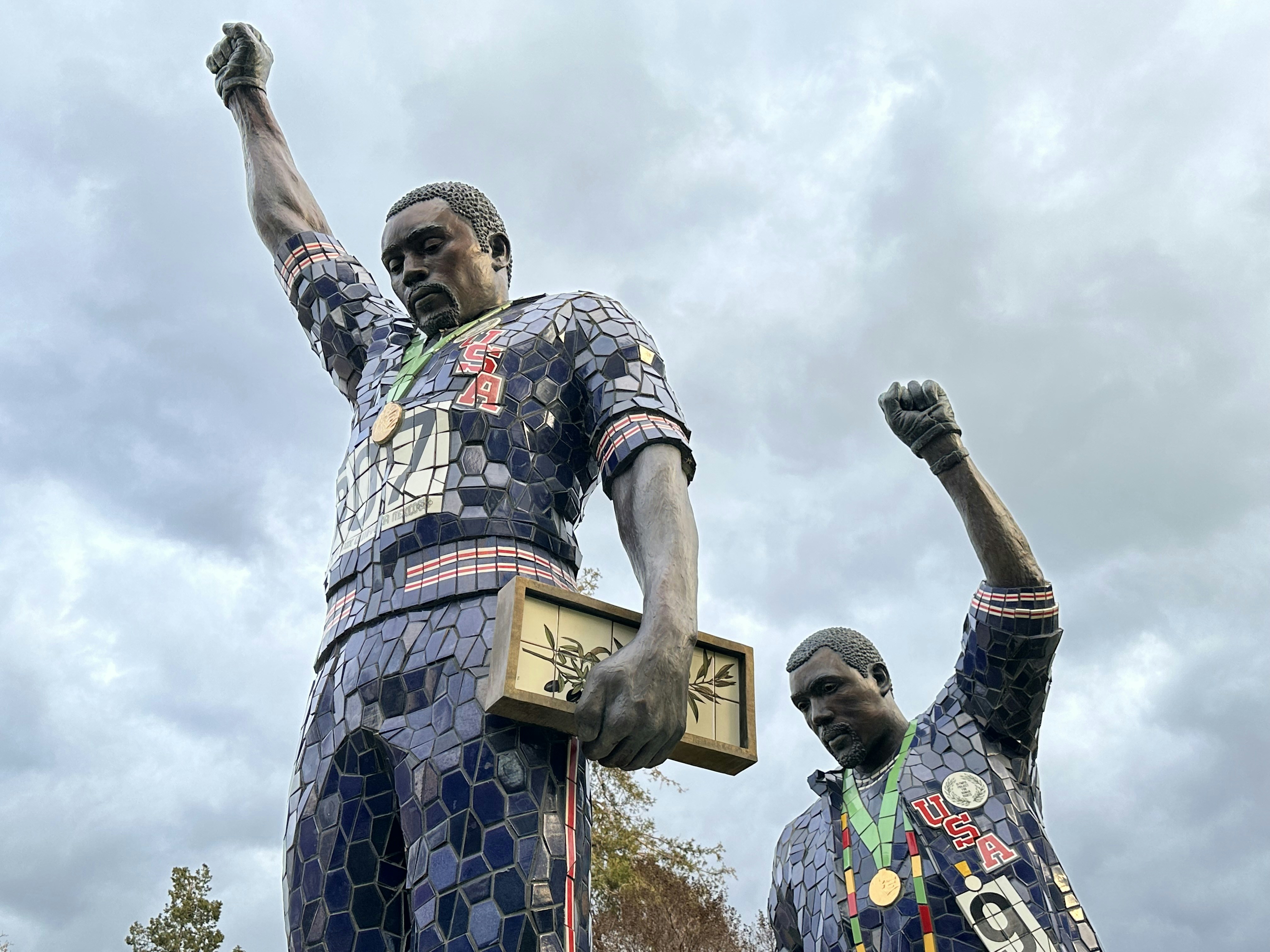
The Legacy of Team USA
Team USA has stood as a prominent symbol of excellence, resilience, and national pride in the realm of sports. Since its inception, the team has made significant strides across various disciplines, exemplifying the dedication and athletic prowess that America embodies. From historic Olympic gold medals to unforgettable moments in international competitions, the legacy of Team USA is marked by achievements that resonate deeply within the fabric of American culture.
In the realm of athletics, Team USA has consistently showcased its supremacy. The team’s remarkable performances in the Olympics, for instance, have not only resulted in numerous medals but have also created a sense of unity and shared identity among Americans. These moments transcend the arena, serving as a backdrop for inspiring stories of determination and tenacity. Notably, the triumphs of athletes in sports such as basketball, swimming, and track and field have left an indelible mark on the nation’s sporting landscape.
Moreover, the significance of Team USA’s achievements extends beyond mere statistics. Events such as the 1980 “Miracle on Ice” during the Winter Olympics epitomize the emotional highs associated with sports and have secured a special place in the hearts of fans. Such victories foster a sense of collective pride and patriotism, showcasing the ability of sports to unite diverse communities under a common banner.
As we reflect on the storied legacy of Team USA, it becomes evident that these triumphs define more than just athletic prowess; they emphasize the core values of hard work, perseverance, and teamwork. This legacy continues to inspire future generations, encouraging young athletes across the country to aspire for greatness. The journey of Team USA is far from over, with each new event offering the potential to create additional milestones that will further enrich the narrative of American sports history.
Milestones in Team USA’s Journey
Team USA has a storied history marked by numerous milestones that have not only defined the team but have also resonated deeply in the annals of sports. One of the most notable achievements took place in the 1980 Winter Olympics, where the men’s hockey team, comprised of amateur and collegiate players, achieved a stunning upset over the heavily favored Soviet Union. This event, often referred to as the “Miracle on Ice,” highlighted Team USA’s spirit of resilience and teamwork, capturing the attention of a nation and embodying the essence of competition.
Another significant milestone occurred during the 1996 Summer Olympics held in Atlanta. The women’s gymnastics team, often referred to as the “Magnificent Seven,” clinched the first-ever gold medal for the United States in this sport. Their success not only changed the landscape of gymnastics but also inspired a generation of athletes, encouraging participation and fostering interest in women’s sports across the country. This victory solidified Team USA’s reputation as a powerhouse in gymnastics.
Fast forward to the 2008 Beijing Olympics, where Team USA delivered breathtaking performances across various sports, securing a record 110 medals. Michael Phelps, in particular, stole the spotlight by winning eight gold medals in a single Olympics, breaking Mark Spitz’s longstanding record. This achievement exemplified not only individual excellence but also the collective triumphs of Team USA, reinforcing the team’s legendary status on the global stage. Each of these milestones contributes to the rich tapestry of Team USA’s history, showcasing moments of triumph, resilience, and the enduring spirit of athletic competition.
Iconic Athletes Who Shaped the Team’s Identity
Throughout its storied history, Team USA has been represented by a multitude of athletes whose exceptional talents and achievements have not only defined the team’s identity but have also inspired countless individuals nationwide and beyond. Athletes such as Michael Phelps, Serena Williams, and Jesse Owens exemplify the spirit and determination that Team USA stands for, both in times of triumph and adversity.
Michael Phelps, with his remarkable eight gold medals at the 2008 Beijing Olympics, redefined the boundaries of competitive swimming. His relentless pursuit of excellence and remarkable work ethic have inspired a new generation of athletes to strive for greatness in their fields. Beyond his achievements in the pool, Phelps has shared his own struggles with mental health, making him a relatable figure for many and emphasizing the importance of mental wellness in athletics.
Serena Williams has not only dominated women’s tennis but has also been a powerful advocate for equality and social justice. Her journey from a young athlete facing systemic barriers to becoming a global icon represents the resilience and empowerment that comes with hard work and dedication. Williams’ impact transcends sports; she has become a voice for those who cannot advocate for themselves, inspiring young athletes to use their platforms for positive change.
Jesse Owens’ storied performance in the 1936 Berlin Olympics challenged the prevailing notions of race and superiority during a time of intense discrimination. His four gold medals served as a powerful testament to the superiority of skill over prejudice, offering hope and inspiration to many who faced similar challenges. Owenses’ legacy as a pioneer not only in athletics but also in the fight for civil rights remains an enduring element of Team USA’s story.
The contributions of these and many other athletes remind us of the profound influence they have had on shaping Team USA’s identity. Their stories, characterized by resilience, advocacy, and a relentless quest for excellence, resonate deeply, forging a path for future generations to follow.
Overcoming Adversity: Stories of Team Spirit
Throughout its storied history, Team USA has faced numerous challenges that have tested their resolve, spirit, and sense of unity. Each setback, whether a surprising defeat or a moment of controversy, has presented an opportunity for the team to come together, harnessing their collective strength to overcome adversity. A notable instance occurred during the 1980 Winter Olympics, where the U.S. ice hockey team, comprising a group of amateur players, was seen as the underdog against the heavily favored Soviet team. Their improbable victory is celebrated not only for the score but for the teamwork and collaborative spirit that fueled their success. This legendary moment has etched itself into the annals of American sports history and exemplifies the essence of overcoming challenges.
Similarly, the aftermath of the 2008 Olympics provided another significant lesson in resilience and collaboration. Following a disappointing outcome, Team USA athletes came together to reassess their strategies and strengthen their camaraderie. This collective introspection not only fostered an environment of trust but also reinforced their shared commitment to excellence, ultimately leading to extraordinary performances in subsequent competitions. These stories illustrate how adversity can forge a bond among team members, encouraging personal growth and developing a shared identity.
Team USA’s journey is punctuated by moments where hardships have catalyzed unyielding determination. The athletes have proven that their spirit cannot be dampened by obstacles; rather, those hardships have been transformative, driving them to cultivate an unbreakable team dynamic. Through adversity, they have learned that unity is paramount, and the ability to lean on each other, both emotionally and physically, is essential for success. Thus, Team USA continues to embody the ideals of resilience and collaboration, inspiring future generations to embrace teamwork as a fundamental aspect of any endeavor.
The Role of Coaches and Management in Building a Legacy
The legacy of Team USA in the world of sports is not merely the result of athletic prowess; a significant factor has been the influence of coaches and management. Their strategies and philosophies play an essential role in guiding the team towards success, instilling discipline, motivation, and a sense of unity among players.
Coaches are often the architects of a team’s identity, responsible for developing game plans that harness the unique strengths of each athlete. For instance, during the 1992 Barcelona Olympics, legendary coach Chuck Daly crafted a framework that allowed the “Dream Team” to showcase their individual talents while operating cohesively as a unit. His adept management not only amplified the skills of legendary players such as Michael Jordan and Magic Johnson but also ensured that the team was mentally prepared to face various challenges on the global stage.
Moreover, management plays a pivotal role behind the scenes, facilitating essential resources for player development, training facilities, and ensuring that players remain focused on their goals. The synergy between coaches and management creates an environment conducive to success, where athletes can reach their full potential. For instance, Jerry Colangelo’s leadership as the managing director of USA Basketball has been instrumental in rebuilding and rejuvenating the national team after a period of decline in performance. His vision emphasized a commitment to excellence, resulting in multiple gold medals in international competitions since 2008.
Effective communication from coaches to athletes fosters trust, which is crucial during high-pressure situations. The memorable moments woven throughout Team USA’s history have often emerged from strategic decisions made during pivotal games. By understanding the mental aspects of competition and not just the tactical, coaches have been able to leave an indelible mark on the legacy of Team USA, establishing a blueprint for future successes.
International Competitions: The Global Stage for Team USA
Team USA has long established itself as a formidable competitor on the international stage, particularly in events like the Olympics and World Championships. These prestigious platforms not only showcase athletic prowess but also serve as a crucial medium for fostering sportsmanship, camaraderie, and national pride. Each competition provides an opportunity for athletes to represent the United States, enhancing both personal and team legacies through extraordinary achievements.
The Olympics, held every four years, serve as the pinnacle of athletic competition globally. Team USA’s participation has led to historic performances that have captivated audiences and defined sporting excellence. From iconic victories to heart-wrenching losses, these moments have shaped the narrative of American sports history. Coaches and athletes prepare tirelessly for such events, understanding the intense global competition they face. This rigorous preparation underpins Team USA’s continued success and inspires future generations to strive for greatness.
Similarly, World Championships across various sports categories offer another platform for Team USA to demonstrate its strength and versatility. These events attract the best athletes from around the world, further intensifying the competitive nature of international sports. Team USA’s consistent performances in these championships not only amplify its recognition internationally but also contribute significantly to the development of sports culture within the country. Each athlete’s effort and exceptional display of skills underscore the importance of teamwork, strategic planning, and dedication.
The impact of these international competitions extends beyond mere medals or accolades. They enhance Team USA’s historical significance, weaving a rich tapestry of stories that transcend generations. Throughout the years, the team’s unwavering commitment to excellence has secured its position as a beacon of inspiration, representing the best of American sportsmanship on a global scale.
Fan Engagement: The Backbone of Team USA
Throughout its storied history, Team USA has benefitted immensely from the unwavering support of its fans. This engagement is not only crucial for boosting the morale of the athletes but also fosters an environment that celebrates national pride. The relationship between Team USA and its supporters has evolved into a cultural phenomenon, uniting diverse populations under a common banner of patriotism and community.
One of the most significant aspects of fan engagement is the vibrant culture that surrounds Team USA events. Fans regularly don the team’s colors and logos, showcasing their loyalty and pride. Encouragement from the stands can be a vital force, contributing to the team’s overall performance. Moreover, these fans often form communities, both online and offline, where they share their experiences, celebrate victories, and support each other during losses. This sense of belonging enhances the overall experience of following Team USA, transforming mere spectators into dedicated advocates.
Anecdotes about fans’ experiences add a human element to this narrative. For instance, many fans recall traveling great distances to attend games or competitions, often choosing to camp outside venues overnight to secure the best seats. Others have described the exhilaration of being part of a packed stadium, the cheers echoing amidst the excitement of national competitions. Events, such as the Olympics or the World Cup, bring fans together, creating shared memories and a sense of unity that transcends geographical boundaries.
Fan engagement also extends beyond the immediate connection during competitions. Social media platforms have further strengthened this bond, allowing fans to interact not only with each other but also with players and coaches. This interaction fosters a deeper appreciation for the athletes and the struggles they endure, making the fans feel integral to the journey. In this way, the collective energy and enthusiasm of Team USA’s supporters serve as a formidable backbone, supporting the team in every endeavor.
The Evolution of Team USA: Changes Over Time
Throughout its rich history, Team USA has undergone significant transformations, particularly in terms of diversity, training practices, and competitive approaches. As the landscape of sports evolved, so too did the governance structures that underpin Team USA, leading to a more inclusive and representative team over the decades.
In the earlier years, Team USA was often characterized by limited representation across various demographics. However, as societal attitudes shifted, inclusion became a focal point in team development. The 1960s marked a pivotal moment, as athletes from marginalized communities began to break barriers and showcase their talents on the international stage. This gradual incorporation of diverse athletes laid the foundation for modern Team USA, which celebrates representation across gender, race, and background.
In parallel with advancements in diversity, training practices have also seen a remarkable evolution. The advent of sports science and technology has drastically changed how athletes prepare for competition. Coaches and trainers now leverage data analytics, biomechanical assessments, and nutrition plans to enhance performance. This scientific approach not only optimizes training regimens but also significantly diminishes injury risks, ensuring that athletes can compete at their peak potential.
Moreover, the philosophy of competition within Team USA has progressed. Athletes are now encouraged to focus not just on winning but also on personal growth and character development. This shift is evident in the emphasis on sportsmanship, teamwork, and resilience, which are integral components of the sporting experience today. With ongoing support from governing bodies, Team USA athletes are sculpted into well-rounded individuals who embody the spirit of fair play and determination.
Conclusion: A Legacy That Inspires Future Generations
As we reflect on the remarkable journey of Team USA, it is clear that the legacy they have established is not merely confined to the realm of sports; it extends into the hearts and minds of aspiring athletes and fans across the nation and beyond. The dedication, resilience, and passion exemplified by Team USA serve as a beacon of inspiration, encouraging individuals to strive for greatness in their own pursuits.
This legacy comprises memorable victories, unwavering teamwork, and a shared commitment to excellence, all of which shape the narrative of American sports history. From athletes breaking world records to teams bonding over shared goals, each story contributes to a larger mosaic of triumph and perseverance. As we have discussed throughout this blog, the journey of Team USA is woven with historical significance and powerful lessons that transcend the boundaries of the sports themselves.
The importance of this legacy cannot be overstated. Future generations of athletes are watching and learning from the triumphs and challenges faced by Team USA. They see the values of hard work, sportsmanship, and determination reflected in their performances. Moreover, fans around the globe are not only inspired by the achievements of these athletes but also by the communal experiences that come with supporting them. This incredible legacy is a reminder that behind every goal scored and every medal earned, there exists a narrative that inspires hope and determination.
In closing, we invite readers to recognize the ongoing journey of Team USA and to support the athletes who embody the spirit of this legacy. By doing so, we can all play a part in fostering a bright future for sports, community, and the American spirit that Team USA represents.