
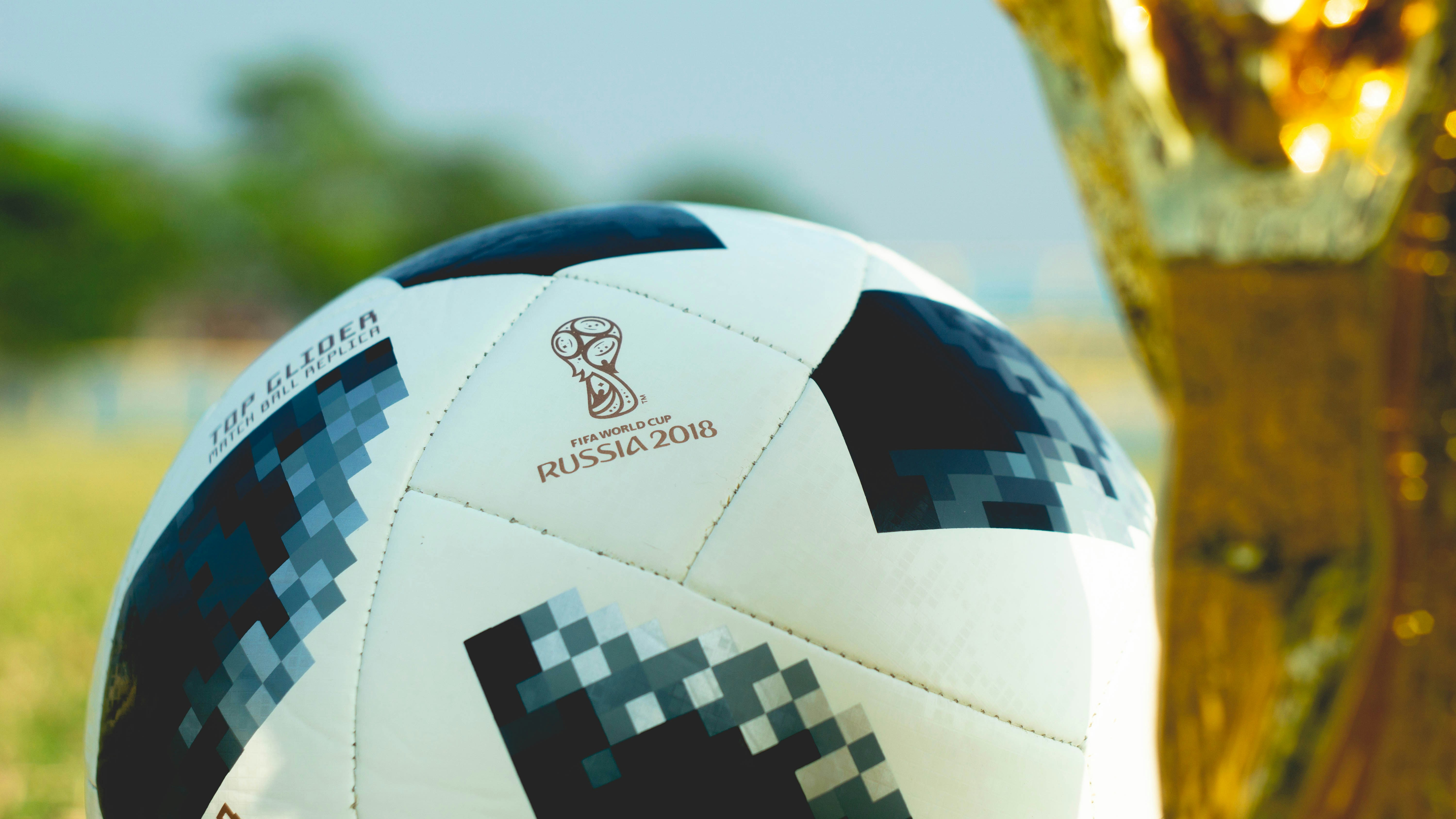
The Significance of the World Cup in America
The forthcoming World Cup, scheduled to take place in America, marks a pivotal milestone for both the sporting and cultural landscape of the nation. As one of the most prestigious sporting events globally, the World Cup represents not only the competitive spirit of football (or soccer, as it is commonly referred to in the United States) but also serves to unite diverse communities around a common passion. The influx of global attention during the tournament is expected to significantly elevate American sports culture, solidifying its place in the international arena.
Hosting the World Cup provides numerous opportunities for domestic economic growth and tourism. Cities across the country are preparing to welcome visitors from around the globe, investing in infrastructure, and enhancing local amenities to create a memorable experience for attendees. This event will not only generate direct revenue through ticket sales and tourism but will also contribute to long-term benefits through increased visibility of American sports, fostering future investments and interest in football.
Moreover, the socio-political implications of this event are manifold, particularly concerning figures such as former President Trump. His administration has previously advocated for sports as a conduit for national morale and a focal point for unity amid political division. As the World Cup unfolds, it offers an opportunity for political figures, including Trump, to reconnect with a wide spectrum of the populace, leveraging the tournament’s popularity to galvanize support and promote a sense of national pride.
In essence, the World Cup’s arrival in America signifies much more than just a sporting event; it embodies a convergence of sports, culture, and politics, showcasing how deeply intertwined these elements can be in shaping national identity and collective experience.
A Historical Overview of the World Cup in the U.S.
The FIFA World Cup has a rich history in the United States, marked by significant milestones that helped shape the landscape of soccer in a country often associated with sports like American football and basketball. The inaugural event in 1994 was a pivotal moment for the sport, bringing heightened visibility to soccer in a nation where it traditionally played a secondary role. Hosted across nine cities, this tournament attracted over 3.5 million spectators, establishing it as one of the most successful World Cups in history.
Key matches from the 1994 tournament remain memorable to fans and historians alike. The semifinal match between Brazil and Sweden, held at the Rose Bowl in Pasadena, drew an enormous crowd and showcased the talents of some of the greatest players in the world, including Romário and Bebeto. The final was held at the same venue, where Brazil defeated Italy in a tense penalty shootout, solidifying its status as the premier soccer nation. The success of this tournament catalyzed a surge in interest in soccer across the United States and laid the groundwork for future events.
After the 1994 tournament, the U.S. continued to engage with international soccer, albeit with varying degrees of success. The Women’s World Cup, hosted in 1999, further cemented soccer’s place in American culture. The tournament final at the Rose Bowl saw the U.S. women’s national team triumph against China, garnering unprecedented media attention and inspiring a new generation of female athletes. These landmark events provided a contrasting backdrop to the predominantly football-focused landscape and illustrated how soccer had begun to carve out a significant niche. As the world anticipates another World Cup on American soil, the lessons learned from past events will play a crucial role in shaping this upcoming tournament’s reception and success.
Trump’s Influence on Sports and Nationalism
Donald Trump’s relationship with sports has been multifaceted, showcasing a tendency to leverage athletic talent and high-profile events as a reflection of his broader political brand. From his ownership of the New Jersey Generals in the USFL during the 1980s to his public support of various sporting events and athletes, Trump’s engagement with the sports community is undeniable. His approach often intertwines with themes of nationalism, positioning sporting events as manifestations of American greatness and unity.
Particularly noteworthy is Trump’s interest in soccer, a sport that has historically struggled with mainstream popularity in the United States. His open endorsement of Major League Soccer (MLS) and attendance at various matches indicate an attempt to connect with an emerging fan base that increasingly values the sport. By asserting his presence in the soccer domain, Trump may appeal to both domestic audiences and international supporters, using the World Cup as a catalyst to reinforce his political narratives surrounding American identity.
Furthermore, Trump’s rhetoric surrounding major global sporting events often carries nationalist undertones, appealing to a demographic that values patriotism in the context of sports. His administration framed participation in international competitions, such as the Olympics and the World Cup, as opportunities to display American prowess on the global stage. This perspective aligns with his broader political strategies, which seek to evoke a sense of pride and unity among his supporter base.
In summary, Trump’s influence on sports, particularly soccer, demonstrates a strategic alignment of athletics with nationalistic sentiment. His ability to mobilize the sport’s fanbase could have substantial implications for the upcoming World Cup, integrating both political ambition and audience engagement in a uniquely American context.
The World Cup’s Bid and Support from Political Figures
The bidding process for the upcoming World Cup, which will see its return to American soil in 2026, involved a multifaceted approach aimed at garnering ample political support. This well-coordinated effort highlighted the intersection between sports, politics, and national identity, as several political figures recognized the event as an opportunity to enhance their standing among constituents and showcase the nation on a global stage.
Key to this bid was the backing from numerous influential political leaders, including state governors and senators, who lobbied for the event to be held in their respective states. These leaders articulated the significant economic benefits associated with hosting the World Cup, including job creation, development of infrastructure, and increased tourism. The promise of heightened national pride was also a crucial point of persuasion within the political landscape.
The organized bid team efficiently navigated through potential challenges by engaging local and national politicians, ensuring that their support was sought at all levels. Notable endorsements came from high-profile figures, which played an instrumental role in reinforcing political allegiance towards the World Cup. The Combine initiative, which sought to unite various stakeholders in the region, further aided in creating a cohesive support system, solidifying the commitment of these leaders to the cause.
In their pursuit to secure the bid, assurances were made to deliver a world-class event, setting the tone for cooperative engagement throughout the planning stages. This approach not only facilitated bipartisan support but also amplified the project’s credibility, making it clear that the World Cup would serve as a unifying event for the nation. By effectively leveraging political relationships, the bid for the World Cup stands as a testament to the importance of harnessing political connections in the world of sports.
Economic Ramifications: Boosting Local Economies
The upcoming World Cup, set to take place in the United States, presents a unique opportunity to invigorate local economies across several host cities. As one of the most widely viewed sporting events globally, the tournament is expected to draw substantial numbers of international and domestic tourists. These visitors will contribute to various sectors, including hospitality, restaurants, and retail, thereby creating a ripple effect that can stimulate economic growth.
Tourism associated with the World Cup is projected to soar, leading to increased spending in the host cities. Hotels are likely to experience heightened demand, which may necessitate the expansion of accommodations. Restaurants and local attractions will similarly benefit from the influx of visitors, translating into higher revenue and potential job openings across these services. As cities gear up for these opportunities, they are also implementing measures to enhance infrastructure, ensuring accessibility and convenience for visitors. Improved transportation systems and upgraded facilities are among the steps being taken to meet the expectations of world-class event hosting.
Job creation is another critical aspect of the economic ramifications linked to the World Cup. Anticipated temporary positions in construction, event management, and service industries will provide significant employment boosts. Additionally, these job opportunities can have positive long-term effects on local labor markets as individuals gain experience and skills during this period. Beyond immediate employment, the tournament is likely to foster innovation and investment in the local economy, potentially encouraging future events and developments.
In preparation for hosting duties, cities are strategizing on how to maximize the World Cup’s economic potential. Engaging local stakeholders, enhancing community involvement, and ensuring adequate funding for both short-term and long-term projects are essential components in this planning phase. By focusing on creating a welcoming environment for visitors and ensuring that local economies thrive, the World Cup can leave a lasting legacy far beyond its immediate impact.
Social and Cultural Significance of Soccer in America
Soccer has undergone a remarkable transformation in the United States over the past few decades, evolving from a niche pastime to a prominent player on the American sports landscape. Historically viewed as a sport primarily enjoyed by immigrant communities, soccer’s popularity has surged, reflecting broader demographic shifts across the nation. The introduction of Major League Soccer (MLS) in 1996 marked a critical milestone in this evolution, providing a professional platform that has enabled the sport to gain traction among mainstream audiences.
The rise in soccer’s popularity among American youth, fueled by major youth leagues and grassroots movements, has played a significant role in changing perceptions about the sport. As children increasingly participate in soccer from a young age, the sport is fostering a new generation of passionate fans. Notably, the demographics of soccer fans in America have diversified, encompassing a wide range of ethnicities, socio-economic backgrounds, and ages. This expanded fanbase not only reflects the multicultural nature of America but also highlights soccer’s potential as a unifying force.
Hosting the World Cup is set to further enhance soccer’s stature in the U.S. It provides a unique opportunity to solidify the game’s cultural significance and elevate its status among other American sports. The World Cup will draw nationwide attention, showcasing the excitement and the sense of community that soccer can foster. The event will also emphasize the sport’s capacity to engage fans, increase participation at all levels, and attract corporate sponsorship, thereby contributing to the long-term growth and sustainability of soccer in America.
In conclusion, the evolution of soccer in America is indicative of a broader cultural shift, and hosting the World Cup represents a pivotal moment in the sport’s journey. The event promises to not only celebrate soccer’s past achievements but also propel its future in a nation increasingly embracing the beautiful game.
Controversies and Challenges Facing the World Cup Planning
The planning of the World Cup in the United States is a complex undertaking, fraught with various controversies and challenges that could impact the reception and execution of the event. Political controversies are among the forefront issues. The historical associations of major sporting events with political movements have not gone unnoticed, leading to heightened scrutiny and debate surrounding the use of the World Cup as a platform for political statements or actions.
Furthermore, social justice issues have emerged as a critical focal point. In recent years, there has been a growing awareness and activism regarding racial equality, LGBT rights, and labor rights within the context of major global sporting events. Organizers must navigate these delicate subjects carefully, ensuring that their events not only comply with local laws and regulations but also resonate positively with a broad audience. The potential for protests or backlash over social justice matters could complicate the event and affect its overall perception.
Additionally, logistical challenges loom large on the horizon. City-specific preparations, ranging from infrastructure improvements to security measures, require careful planning and considerable investment. The disparity in readiness among potential host cities could lead to uneven experiences for fans and participants, which might undermine the unified spirit of the tournament. Furthermore, the ongoing global health crisis highlights the necessity for robust health and safety protocols to protect attendees and participants alike.
These controversies and challenges represent only a fraction of the complexities involved in bringing the World Cup to America. As the event approaches, addressing these issues head-on will be crucial to ensure a successful tournament that fosters unity and celebration while also acknowledging the pressing societal issues at hand.
Strategies for Engaging the Trump Support Base
As the World Cup approaches, organizers are keenly aware of the need to engage a broad spectrum of supporters, including the Trump support base. One effective strategy may involve tailored outreach campaigns that resonate with key themes that Trump supporters prioritize. Messaging that emphasizes patriotism, America’s role in international sports, and a celebration of national pride can be integral in appealing to this demographic.
Utilizing social media platforms that are popular among conservatives could help organizers reach a larger audience. Campaigns might include influencer partnerships with prominent figures who align with Trump supporters’ values. Utilizing compelling narratives around the World Cup’s impact on local economies, job creation, and community benefits may also appeal to the base’s interests. By framing the event as a chance to showcase American hospitality and resilience, organizers can create a welcoming atmosphere for all visitors.
Moreover, on-ground events, perhaps organized in collaboration with local businesses and community leaders, can further fortify ties. This could involve fan zones or viewing parties that incorporate aspects of local culture and provide a platform for Trump supporters to express their enthusiasm for the World Cup while integrating with fans from diverse backgrounds. Local businesses owned by Trump supporters could be highlighted as official stations, creating a sense of inclusivity and representation.
Additionally, focusing on volunteer programs that allow community members to participate in the event could galvanize support. Engaging grassroots organizations that represent Trump’s base can enhance community investment and excitement around the World Cup. By fostering a narrative of unity and national pride through these strategies, organizers can hope to create an event that embraces all Americans.
Conclusion: The Future of Soccer and American Politics
The intersection of sports and politics has a long and storied history, and as the World Cup prepares to take place in America, this relationship is poised to gain further significance. The upcoming tournament not only represents a remarkable opportunity for soccer’s growth within the United States but also serves as a potential catalyst for political engagement and discourse. As fans from various backgrounds converge to celebrate the sport, the atmosphere created will undoubtedly be charged with enthusiasm and might also reflect broader societal issues.
The influence of political figures on sports events cannot be overlooked. Leaders often utilize these platforms to connect with their constituencies, and high-profile events like the World Cup provide a unique avenue for this engagement. With a political landscape that remains contentious, interactions between soccer’s governing bodies, the community, and political stakeholders will be scrutinized. The strategy to keep prominent figures, such as Donald Trump, involved reflects an understanding of the deep entrenchment of politics within the athletic realm.
Looking to the future, the engagement of political figures in the World Cup may push discussions around issues such as immigration, representation, and cultural identity to the forefront. Thus, while soccer continues to expand its footprint in American society, it will likely evolve alongside the political dynamics prevalent at the time. This intertwining of sports and politics presents a unique opportunity to examine societal values and aspirations, particularly as the country prepares for a changing political climate. Ultimately, as soccer gains traction, its ability to shape the political narrative indicates a future where sports become not just a source of entertainment but also a pivotal player in the dialogue surrounding American values and identity.