
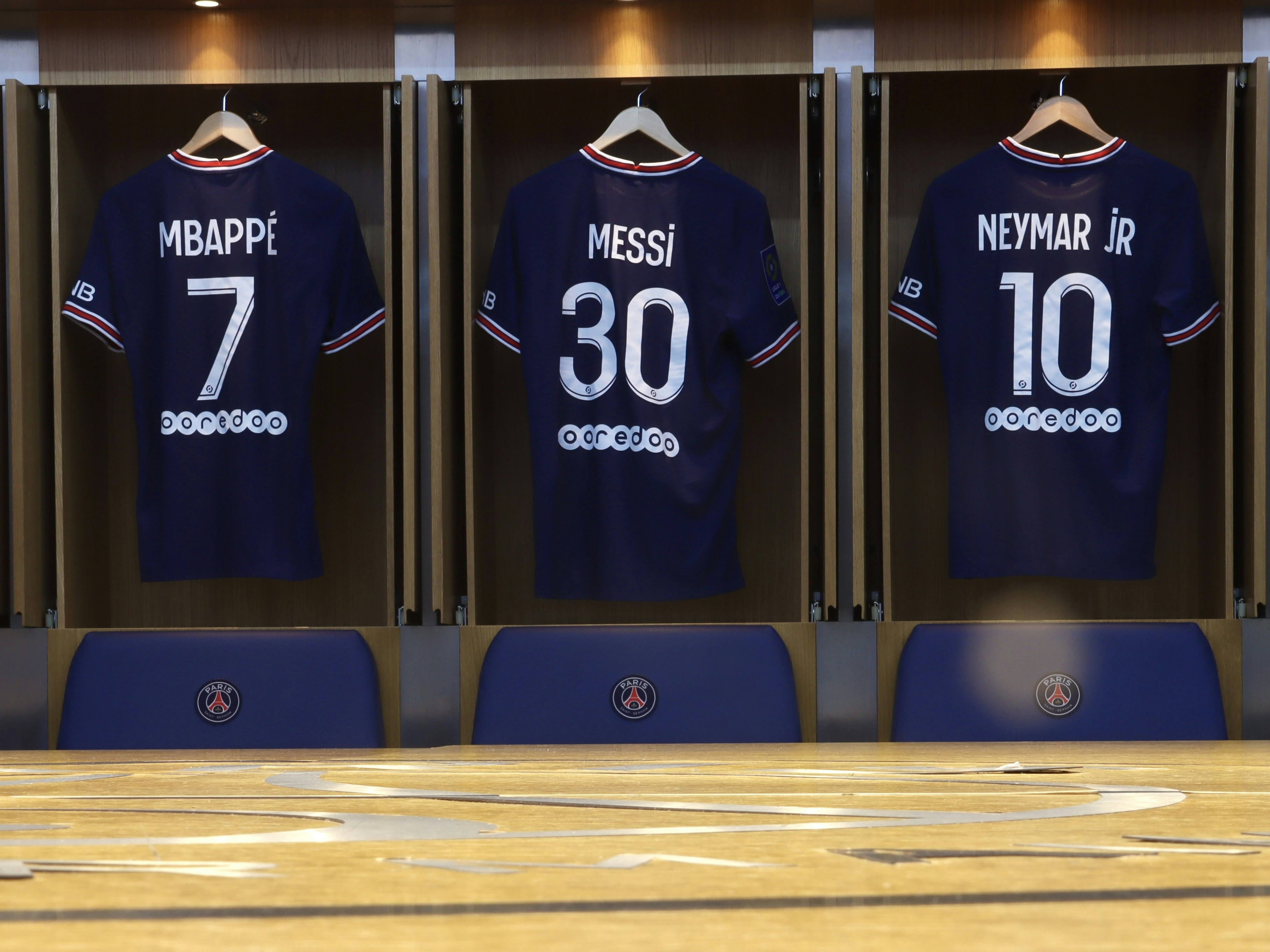
Introduction to Kylian Mbappé’s Financial Impact
Kylian Mbappé has emerged as one of football’s most recognizable and talented players in recent years. His explosive speed, exceptional technical skills, and tactical intelligence have not only made him a key player on the pitch but have also significantly influenced the financial landscape of football. As one of the brightest stars in the sport, Mbappé’s earnings reflect both his individual performance and his broader contributions to the industry.
Mbappé’s salary is a substantial measure of his value in the marketplace, driven not just by his on-field exploits but also by his immense popularity off it. Endorsements, merchandise sales, and various media appearances can substantially elevate a player’s financial portfolio, and Mbappé is no exception. His presence in high-stakes matches garners attention from millions of fans and is a catalyst for increased revenues for clubs, sponsors, and broadcasters. As a result, he is regarded as an influential figure whose earnings serve as a benchmark for other players in the league.
The economics of football today heavily integrate the marketability of its players, and Mbappé epitomizes this phenomenon. His massive contracts signal the increasing financial proportions within the sport, where elite professionals command salaries that reflect their capacity to draw significant audiences. This dynamic not only emphasizes individual talent but also marks a shift in how clubs perceive their investments in star players. Consequently, his salary is not merely a reflection of his abilities on the field but a cog in the larger machinery of football economics.
Mbappé’s Current Salary Overview
Kylian Mbappé, widely regarded as one of the brightest talents in football, currently plays for Paris Saint-Germain (PSG). His remarkable skills on the field have not only earned him accolades but also a substantial financial package. As of the latest available data, Mbappé’s basic salary stands out significantly within the football landscape. In recent contract negotiations, it has been reported that his annual salary exceeds €10 million, potentially soaring even higher when factoring in additional bonuses and endorsements.
Breaking down the specifics, his base salary constitutes the most considerable portion of his earnings, which is typically paid on a monthly basis. However, the real financial power of Mbappé’s contract lies in the various bonuses attached to his performance and contribution to the team’s success. For instance, bonuses for goal scoring and match appearances can substantially increase his annual earnings, reflecting his importance to the squad and the club’s ambitions.
Moreover, endorsement deals further amplify Mbappé’s financial stature. These lucrative partnerships with global brands contribute greatly to his income, sometimes rivaling what he earns through his salary. When considering both his PSG contract and external endorsements, Mbappé’s earnings can approach upwards of €30 million per year, making him one of the highest-paid footballers worldwide.
Overall, Kylian Mbappé’s current salary at PSG is indicative of his status as a superstar in the sport. His financial earnings exemplify not just his talent but also the commercial potential of elite athletes in today’s competitive market.
Comparative Analysis with Other Top Footballers
Kylian Mbappé, a name synonymous with talent and success on the football pitch, has quickly ascended to the echelons of the highest-paid athletes globally. His annual salary offers a keen insight into the competitiveness within the football industry, especially when juxtaposed with other elite players such as Lionel Messi, Cristiano Ronaldo, and Neymar.
As of 2023, Mbappé’s annual earnings are reported to be in the region of €50 million, a figure that firmly secures his position among the top earners in the sport. For context, Lionel Messi leads the payroll continuum with earnings that reportedly soar to around €130 million per year, making him one of the wealthiest figures in athletics. Cristiano Ronaldo follows closely, with earnings estimated at €100 million annually. This further highlights the substantial financial landscape of professional football, where top performers are compensated fittingly for their contributions to the game.
Neymar, another central figure in this elite group, is estimated to earn about €90 million per year, a figure that places him solidly within the upper echelon of football salaries. Analyzing these figures, it becomes evident that while Mbappé may not yet reach the financial heights of Messi or Ronaldo, his income reflects a recognition of his immense talent and his growing influence in the sport.
Furthermore, it is essential to consider additional income streams, including endorsements, which significantly increase the total financial profiles of these players. Mbappé has also garnered lucrative endorsement deals, indicating that his marketability grows alongside his on-field success. Overall, the comparative analysis underscores Mbappé’s prominent place in the football world, showcasing not only his athletic prowess but his burgeoning financial stature as well.
The Role of Endorsements in Mbappé’s Total Earnings
Kylian Mbappé, one of the most talented football players of his generation, has not only garnered attention for his performance on the pitch but has also made significant strides off it through numerous endorsement deals. These partnerships substantially contribute to his total earnings, elevating him to new financial heights beyond his impressive salary from club football.
Over the years, Mbappé has successfully associated himself with several prestigious brands, including Nike, Hublot, and PlayStation. These collaborations are strategically aligned with his youthful, dynamic image, making him an ideal ambassador for products aimed at young consumers. His endorsement with Nike, for example, includes personal branding initiatives, which feature exclusive shoe lines and merchandise, further boosting his visibility and solidifying his role as a key figure in sports marketing.
Additionally, Mbappé’s negotiation prowess has enabled him to secure lucrative long-term contracts. It is reported that in recent years, endorsements have contributed substantially to his annual income, sometimes amounting to millions. Industry analysts estimate that during peak periods, endorsements could make up nearly half of Mbappé’s total earnings. This remarkable figure underscores the potent mix of celebrity and athleticism he embodies.
Moreover, Kylian’s global appeal can be attributed to his successful social media engagement, which offers brands an ideal platform for promotion. With millions of followers across various platforms, his digital presence enhances his endorsement effectiveness, making campaigns with him particularly valuable. Thus, endorsements serve as a critical component of Mbappé’s financial portfolio, illustrating how modern athletes leverage their fame to maximize earnings outside of traditional salary structures.
The Economic Impact of Mbappé’s Salary on PSG and Football
Kylian Mbappé is not only a remarkable football player but also a significant financial asset for Paris Saint-Germain (PSG). His salary, estimated to be among the highest in the world, has far-reaching implications for the club’s financial strategies. The substantial wages allocated to Mbappé have necessitated a comprehensive approach to PSG’s budget management, impacting various operational facets including salary caps and player wage structures.
Firstly, Mbappé’s high salary poses a challenge in the realm of financial fair play (FFP). UEFA’s regulations require clubs to balance their books, ensuring expenditure does not exceed income. As such, PSG must allocate its budget in a manner that adheres to these essential regulations while retaining competitive players. If the financial strategy leans too heavily on one superstar’s salary, it could limit the club’s flexibility to attract new talent or renew contracts for existing players.
Moreover, the salary impact extends to the wages of other players. With Mbappé commanding a premium wage, it sets a precedent that can lead to increased expectations from teammates regarding their salaries. This could strain the wage bill further and potentially create discontent among players whose performances might not match their compensation demands.
On a broader scale, Mbappé’s earnings contribute to the financial ecosystem of football, influencing market trends and player valuations. With top talents increasingly eyeing lucrative contracts, the overall wage structure within the league can shift, pushing smaller clubs toward a predicament where retaining talent becomes financially burdensome.
Ultimately, while Mbappé’s phenomenal salary underscores his value as an asset, it simultaneously illustrates the intricate balance that clubs like PSG must maintain within the evolving landscape of professional football.
Fan Perspectives: How Mbappé’s Salary Influences Public Opinion
The financial landscape of professional football has undergone significant changes, with players like Kylian Mbappé commanding salaries that both astonish and provoke debate among fans and analysts alike. As one of the world’s highest-paid athletes, his earnings have raised questions about value and merit within the sport. Many fans engage in discussions about whether Mbappé’s substantial salary is justified based on his performance and contributions to his team. These considerations often reflect broader societal views on wealth, compensation, and the relative importance of athletes in contemporary culture.
Across various platforms, fans express a spectrum of opinions on Mbappé’s multi-million euro salary. Some staunchly defend his pay, arguing that elite performers are entitled to compensation that reflects their skill level and marketability. They point to his on-field achievements, including dazzling goals, assists, and an impressive overall contribution to his team’s success, as testament to his worth. For these supporters, Mbappé’s ability to attract sponsorships, enhance team visibility, and engage fans positions him as a pivotal figure whose financial remuneration is but a reflection of his broader impact.
Conversely, other fans criticize the astronomical figures, suggesting that they contribute to a distorted economic model in sports. Detractors argue that such salaries create a disconnect between athletes and average supporters, fostering a feeling of alienation in the stands. They contend that while talent should be rewarded, the extreme financial focus detracts from the core values of teamwork and fairness that the sport should embody. This perspective underscores a cultural tension surrounding athlete salaries, suggesting that the dialogue around Mbappé’s earnings extends beyond football into the realms of ethics and social responsibility.
Future Predictions: What Lies Ahead for Mbappé’s Earnings
Kylian Mbappé, one of the most prominent figures in contemporary football, has garnered immense attention not only for his talent but also for his financial prospects. As we look to the future, several factors could influence his earnings trajectory. To begin with, his contractual situation at PSG, where he currently enjoys a lucrative deal, is fundamental. Given his remarkable performance, it is plausible to forecast a potential salary increase during future contract renewals. As he continues to excel, there may be a demand from both fans and management for PSG to offer substantially higher wages to retain him.
Moreover, the possibility of a transfer to another elite club cannot be overlooked. Historically, transfers of star players attract substantial financial incentives. If Mbappé were to transfer to clubs such as Real Madrid or Manchester City, his new contract could reflect a significant uptick in earnings, owing to the high market value that premier players command. Such moves typically come with hefty signing bonuses and increased salary, further amplifying his overall financial package.
Additionally, global events, particularly the FIFA World Cup, play a crucial role in shaping the economic landscape for footballers. The World Cup serves as a critical platform not just for showcasing talent but also for negotiating brand endorsements. Given that Mbappé has already established himself as a marketable superstar, participating in major tournaments may lead to renewed sponsorship deals or partnerships that enhance his income. As we await his next ventures, it is evident that Kylian Mbappé’s financial prospects remain promising, characterized by multiple avenues for growth and elevation in his earnings.
Conclusion
In reviewing the earnings of Kylian Mbappé, it is evident that his salary reflects not only his exceptional talent as a football superstar but also the evolving landscape of professional football. Mbappé’s annual pay is a testament to his skills on the pitch, where he has consistently delivered remarkable performances that have captivated fans and analysts alike. His contract highlights the importance of star players in driving both team and league revenues, positioning him as a pivotal figure in contemporary football.
The substantial financial compensation that Mbappé receives also ignites discussions regarding wage structures within the sport. As football clubs compete for top-tier talent, the monetary rewards can significantly influence market dynamics, impacting how teams strategize their investments in players. This scenario raises questions about fairness and equity within the sport, particularly in how salaries are distributed among players at different levels and positions.
Moreover, Mbappé’s earnings extend beyond the pitch, as he attracts lucrative sponsorship deals and endorsements. This aspect of his financial portfolio underscores the commercial potential of elite athletes as brands and the growing trend of athlete-centric marketing strategies. His influence in the sporting realm may well inspire the next generation of footballers, setting benchmarks for future contracts and career aspirations.
In conclusion, Kylian Mbappé’s salary encapsulates the intersection of talent, market demand, and commercial viability in the realm of professional football. Understanding his financial package not only sheds light on his career trajectory but also serves as a reflection of the broader trends shaping the football industry today. As players like Mbappé continue to emerge, their earnings will undoubtedly remain a focal point for discussions surrounding the sport’s evolution and its far-reaching implications.
References and Further Reading
To gain a more comprehensive understanding of Kylian Mbappé’s earnings, salary structures, and the broader financial landscape of professional football, a variety of credible sources have been consulted. These include analysis from reputable sports finance experts and insights from trusted sports journalism platforms. One significant source is the Deloitte Annual Review of Football Finance, which provides detailed reports on revenue, player salaries, and club financial performance.
Furthermore, articles from renowned sports websites, such as ESPN and BBC Sport, often feature in-depth discussions on player contracts, salary negotiations, and market trends within football. These platforms regularly update their analyses in line with the latest developments in player finances, making them invaluable for those keen to follow Mbappé’s career.
Additionally, several studies have been published that outline the impact of player salaries on club performance and marketability. Research papers from institutions like the University of Liverpool have explored the correlation between player wage demands and a club’s overall success in domestic and international competitions.
For readers interested in exploring Kylian Mbappé’s impact on the football economy, books such as “The Ball Doesn’t Lie” by Jonathan Cohn and “Soccernomics” by Simon Kuper and Stefan Szymanski provide insightful correlations between players, their financial implications, and the business side of sports.
To further delve into the topic, consider following financial reports and posts in financial news outlets that specialize in sports economics. This can offer a perspective on how player salaries evolve in conjunction with overall market dynamics and developments in sports advertising, broadcasting rights, and merchandise sales, all of which significantly affect a player’s earning potential.