
Understanding Hurricanes: Nature’s Fury
The phenomenon of hurricanes is one of the most powerful forces of nature, forming under specific climatic conditions in tropical regions. A hurricane begins as a tropical disturbance and can evolve into a tropical storm, gaining intensity and organization, ultimately developing into a hurricane when wind speeds exceed 74 miles per hour. This transformation is influenced by various factors, including ocean temperatures, atmospheric conditions, and humidity levels, which all play critical roles in the storm’s development and strength.
Hurricanes, often referred to as tropical cyclones in some regions, are characterized by a low-pressure center known as the eye. Surrounding this center is the eyewall, where the most severe weather occurs, accounting for the highest wind speeds and heavy rainfall. The genesis of a hurricane requires warm ocean waters, typically at least 26 degrees Celsius, which provide the necessary heat and moisture to fuel the storm. Additionally, they thrive in environments where wind shear is low, allowing for vertical development without disruption.
The impact of hurricanes can be devastating, particularly in coastal areas. These storms can lead to catastrophic flooding, high winds, and storm surges, causing significant damage to infrastructure and ecosystems. Historical examples such as Hurricane Katrina in 2005 and Hurricane Sandy in 2012 exemplify the destructive potential of these storms, resulting in loss of life and extensive property damage. Understanding the formation and characteristics of hurricanes is crucial not only for predicting their development but also for formulating effective disaster preparedness strategies. The necessity for communities to understand these forces is paramount to mitigate risks and enhance resilience against future hurricanes.
The World of Penguins: Adaptations and Habitats
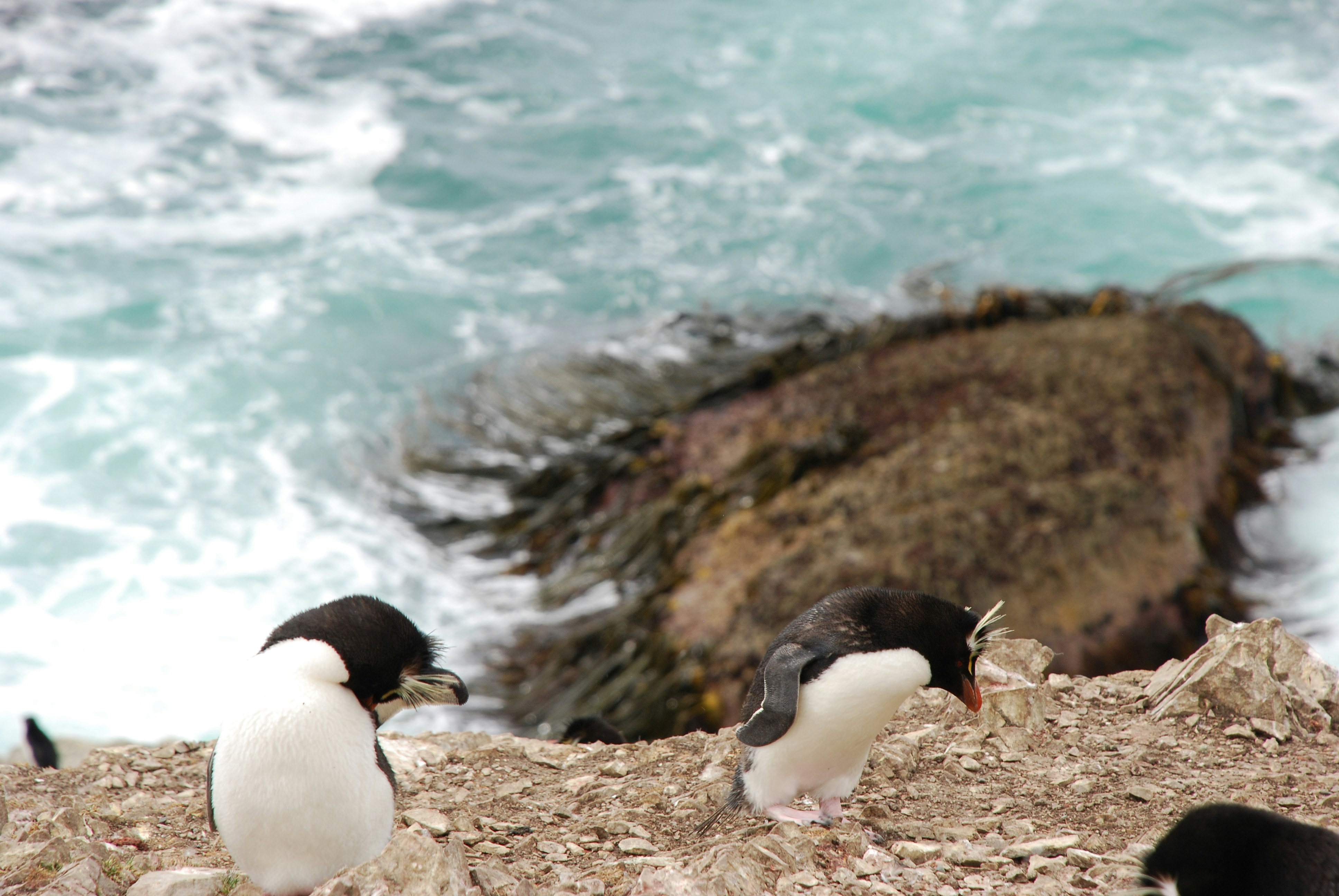
Penguins are fascinating flightless birds that have evolved remarkable adaptations to thrive in some of the coldest environments on the planet. Primarily found in the Southern Hemisphere, these birds display a range of physical features designed for survival in frigid climates. The most iconic adaptation of penguins is their distinctive body shape, which is streamlined to reduce heat loss and enhance swimming efficiency. Their layer of blubber beneath the skin acts as insulation, while their tightly packed feathers trap air to provide additional warmth.
There are 18 recognized species of penguins, ranging from the Emperor Penguin, which is the largest, to the tiny Little Blue Penguin. Each species has developed unique adaptations tailored to its specific habitat. For example, the Adélie Penguin thrives on the Antarctic mainland and exhibits behaviors such as tobogganing—sliding on their bellies over ice and snow to conserve energy. In contrast, the Galápagos Penguin, residing near the equator, has adapted to warmer climates and exhibits different breeding patterns compared to its Antarctic relatives.
The habitats of penguins are primarily located in ice-covered regions, coastal shores, and islands, where they rely on oceanic resources for their diet. However, these habitats are increasingly threatened by climate change, leading to melting ice, rising sea levels, and diminishing food sources. As ocean temperatures rise, fish populations shift, directly impacting penguin survival. Furthermore, the loss of ice habitats compromises their breeding grounds, making it more challenging for penguins to reproduce successfully.
Understanding the unique adaptations of penguins and the habitats they occupy is crucial, especially in the face of climate change. Conservation efforts are necessary to protect these remarkable birds and ensure their continued existence in an ever-changing world.
The Interaction Between Hurricanes and Penguin Habitats
The influence of hurricanes on penguin habitats is a subject of growing concern, especially in light of the increasing frequency and intensity of severe weather events linked to climate change. Penguins, primarily found in the Southern Hemisphere, inhabit regions vulnerable to the threats posed by hurricanes, such as the Antarctic Peninsula and surrounding islands. These areas are critical for the survival of various penguin species, including the famous Emperor and Adélie penguins.
Hurricanes can significantly disrupt environmental conditions that penguins rely on for breeding and feeding. Strong winds and heavy rainfall can damage nesting sites and reduce available shelter, leading to increased mortality rates among chicks and adults. Additionally, the storm surges associated with hurricanes can lead to the flooding of coastal nesting areas, further endangering penguin colonies. In regions where hurricanes are becoming more common, these environmental disruptions can create a cycle that challenges the resilience of penguin populations.
Moreover, hurricanes can severely impact the food supply for penguins. For instance, nutrient-rich upwellings in the ocean are affected by strong storm systems, disrupting the availability of essential prey such as krill and fish. These changes in the marine ecosystem can lead to an insufficient food supply for penguins, forcing them to travel farther and expend more energy to find food. The implications for their breeding success and long-term survival are concerning.
Despite the challenges, penguins have shown remarkable adaptation capabilities to environmental changes. However, the rapid escalation of hurricane activity due to climate change poses a unique challenge, potentially outpacing penguins’ ability to adapt. Continued monitoring and research are essential to understand the long-term consequences of hurricanes on penguin habitats and to develop effective conservation strategies.
Lessons from Nature: Resilience and Conservation
The impact of hurricanes and the unique adaptations of penguins offer crucial lessons in resilience and conservation. Hurricanes, with their sheer force and unpredictability, often reshape coastal ecosystems, highlighting the vulnerabilities of both human and wildlife populations. In the face of such natural extremes, studying penguins, particularly their survival strategies, can inform our conservation efforts. These remarkable birds, which thrive in some of the harshest climates, display adaptability that can inspire approaches to protect them and their habitats.
Efforts to safeguard penguin populations are critical as they face numerous threats, including climate change and habitat destruction. Coastal regions where these birds breed are increasingly susceptible to hurricane damage, necessitating comprehensive conservation strategies. Initiatives such as establishing protected marine areas, enforcing sustainable fishing practices, and conducting research on their population dynamics are vital. These measures not only aim to conserve penguin populations but also bolster the resilience of entire ecosystems against the impacts of climate change.
Raising public awareness about the threats faced by penguins and their ecosystems fosters a conservation mentality. Education campaigns can galvanize community action to support coastal restoration projects and advocate for policies that mitigate climate change. By linking the plight of penguins to the wider environmental challenges posed by hurricanes, we can emphasize the importance of biodiversity and the interconnectedness of life on Earth. The lessons learned from hurricanes and penguins underline the necessity for collaboration among scientists, policymakers, and the public to promote a resilient future.
In conclusion, the study of resilience through the lens of hurricanes and penguins illustrates the urgent need for conservation measures that protect vulnerable ecosystems. By fostering resilience in both wildlife and human communities, we can mitigate the impacts of extreme weather and ensure the survival of species like the penguin in a changing world.