Introduction
Football is often described as a serious game—full of pressure, tactics, discipline, and results. But once in a generation, a player comes along who reminds the world that football is, at its heart, a game meant to be enjoyed. That player was Ronaldinho.
Ronaldinho didn’t just win matches; he won hearts. He played with a smile, entertained millions, and turned football stadiums into theaters of joy. Watching him felt like watching a child play freely—no fear, no limits, just pure love for the ball. His career wasn’t about chasing records or perfection. It was about moments, memories, and magic.
This is the complete biography of Ronaldinho—the man who made football smile.
Table of Contents
| Sr# | Headings |
|---|
| 1 | Birth and Family Background |
| 2 | Childhood in Porto Alegre |
| 3 | Tragedy That Shaped His Life |
| 4 | Street Football and Futsal Roots |
| 5 | Early Signs of Greatness |
| 6 | Youth Career and Breakthrough |
| 7 | Professional Debut and Rise |
| 8 | Playing Style: Freedom and Creativity |
| 9 | Move to Europe |
| 10 | Becoming a Global Star |
| 11 | Barcelona: The Golden Era |
| 12 | Magical Moments That Defined Him |
| 13 | Ballon d’Or and World Recognition |
| 14 | Influence on Teammates and Rivals |
| 15 | International Career with Brazil |
| 16 | World Cup Glory |
| 17 | Personality and Lifestyle |
| 18 | Decline and Career Challenges |
| 19 | Life After Peak Football |
| 20 | Ronaldinho’s Cultural Impact |
| 21 | Why Fans Still Love Ronaldinho |
| 22 | His Influence on Future Generations |
| 23 | Lessons from Ronaldinho’s Life |
| 24 | The Eternal Smile |
| 25 | Final Legacy in Football History |
Birth and Family Background
Ronaldinho was born on March 21, 1980, in Porto Alegre, Brazil. His full name is Ronaldo de Assis Moreira. Football ran deep in his family. His father was a former footballer and later worked at a football club, while his older brother also pursued a professional football career.
From the beginning, Ronaldinho was surrounded by football culture. It wasn’t forced on him—it was natural. The ball felt like a companion, not a tool.
Childhood in Porto Alegre
Ronaldinho grew up in a modest household. Life wasn’t luxurious, but it was full of warmth, music, and football. The streets were his playground, and every free moment was spent chasing the ball.
Unlike structured academies, street football taught him creativity. There were no coaches shouting instructions. There were only instincts, imagination, and joy.
Tragedy That Shaped His Life
At a young age, Ronaldinho lost his father in a tragic accident. This moment deeply affected him and his family.
Football became more than a passion—it became emotional healing. Through football, Ronaldinho expressed joy even while carrying sadness. This emotional depth later reflected in his game.
Street Football and Futsal Roots
Ronaldinho spent countless hours playing futsal and street football. Tight spaces forced quick thinking and close ball control.
This environment shaped his iconic skills—no-look passes, elastic dribbles, flicks, and tricks. These weren’t practiced in drills. They were natural expressions of fun.
Street football made him fearless.
Early Signs of Greatness
As a teenager, Ronaldinho’s talent stood out instantly. He didn’t just score goals—he entertained.
Opponents struggled to predict him. Coaches noticed something rare: he played with instinct, not fear. Every match felt like a performance.
Youth Career and Breakthrough
Ronaldinho’s youth career gained attention across Brazil. His performances at youth tournaments made headlines.
People didn’t ask, “Is he effective?” They asked, “Did you see what he did today?” That reaction followed him throughout his career.
Professional Debut and Rise
Ronaldinho made his professional debut in Brazil and quickly became a fan favorite. Crowds came to watch him specifically—not just the team.
He played with flair, confidence, and joy. His reputation grew rapidly.
Playing Style: Freedom and Creativity
Ronaldinho’s playing style cannot be described with statistics alone. It was emotional.
He played football like jazz—improvised, expressive, and unpredictable. Defenders didn’t know whether to tackle or admire.
His smile wasn’t an act. It was genuine happiness.
Move to Europe
Moving to Europe is challenging for many South American players. Ronaldinho adapted quickly.
Instead of changing his style, he brought Brazilian joy to European football. Fans fell in love instantly.
Becoming a Global Star
Ronaldinho’s popularity exploded. He wasn’t just famous—he was adored.
Kids copied his moves. Adults smiled watching him. Even rival fans applauded his brilliance.
That level of universal love is rare.
Barcelona: The Golden Era
Ronaldinho’s time at Barcelona marked the peak of his career.
Every match felt special. Dribbles, goals, assists—everything came with style. He didn’t just win matches; he lifted the spirit of the club.
Barcelona didn’t just succeed—they entertained.
Magical Moments That Defined Him
Ronaldinho produced moments that felt unreal. Goals from impossible angles. Passes no one expected. Dribbles that broke defenders’ confidence.
These moments weren’t accidents—they were art.
Ballon d’Or and World Recognition
At his peak, Ronaldinho was recognized as the best footballer in the world. Individual awards followed.
Yet he never seemed obsessed with them. For him, happiness mattered more than trophies.
Influence on Teammates and Rivals
Teammates learned confidence from him. Rivals respected him.
Some of today’s greatest footballers openly say Ronaldinho inspired them to play football.
International Career with Brazil
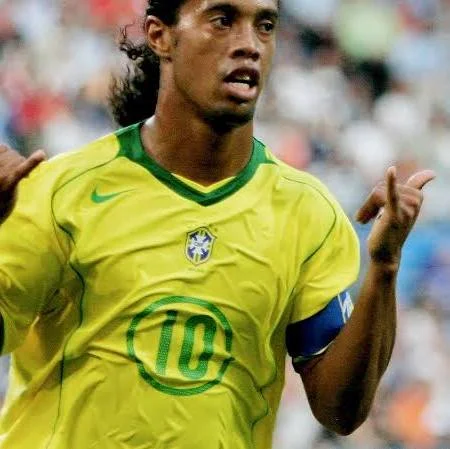
Ronaldinho represented Brazil with pride. Wearing the yellow jersey, he showcased classic Brazilian football—skillful, joyful, fearless.
His presence made matches exciting.
World Cup Glory
Winning the World Cup was a dream fulfilled. It cemented his place in football history.
For Ronaldinho, it wasn’t just a title—it was a celebration of everything football represented.
Personality and Lifestyle
Ronaldinho loved life. Music, friends, and celebration were part of who he was.
Some criticized his relaxed approach. But fans understood—that freedom was the source of his magic.
Decline and Career Challenges
As time passed, discipline became a challenge. Injuries and lifestyle choices affected consistency.
But even during decline, flashes of brilliance remained.
Life After Peak Football
Ronaldinho continued playing in different leagues, sharing joy wherever he went.
Even when past his peak, fans came to see the smile.
Ronaldinho’s Cultural Impact
Ronaldinho became more than a footballer. He became a symbol of joy.
He reminded the world that football is entertainment, emotion, and expression.
Why Fans Still Love Ronaldinho
Fans love Ronaldinho because he was authentic. He never pretended to be perfect.
He played for love, not pressure.
His Influence on Future Generations
Many modern stars grew up watching Ronaldinho. His creativity shaped a new generation of footballers.
His influence will last forever.
Lessons from Ronaldinho’s Life
Ronaldinho teaches us that success doesn’t always mean seriousness.
Joy matters. Passion matters. Being yourself matters.
The Eternal Smile
Ronaldinho’s smile became iconic. It symbolized freedom, happiness, and love for the game.
That smile is his signature.
Final Legacy in Football History
Ronaldinho may not hold every record, but he holds something greater—football’s soul.
He made the world smile. And that is a legacy no statistic can measure.
Conclusion
Ronaldinho’s story is not about perfection or discipline alone. It’s about happiness, creativity, and freedom.
He reminded us why we fell in love with football.
And because of that, Ronaldinho will live forever in football’s heart.
FAQs
1. Why is Ronaldinho considered one of football’s greatest entertainers?
Because he combined elite skill with joy, creativity, and freedom.
2. What made Ronaldinho’s playing style unique?
His imagination, flair, and fearlessness.
3. Did Ronaldinho influence modern footballers?
Yes, many top players cite him as their inspiration.
4. Why did Ronaldinho decline early?
Lifestyle choices and injuries affected consistency.
5. What is Ronaldinho’s greatest legacy?
Proving football should always be played with a smile.